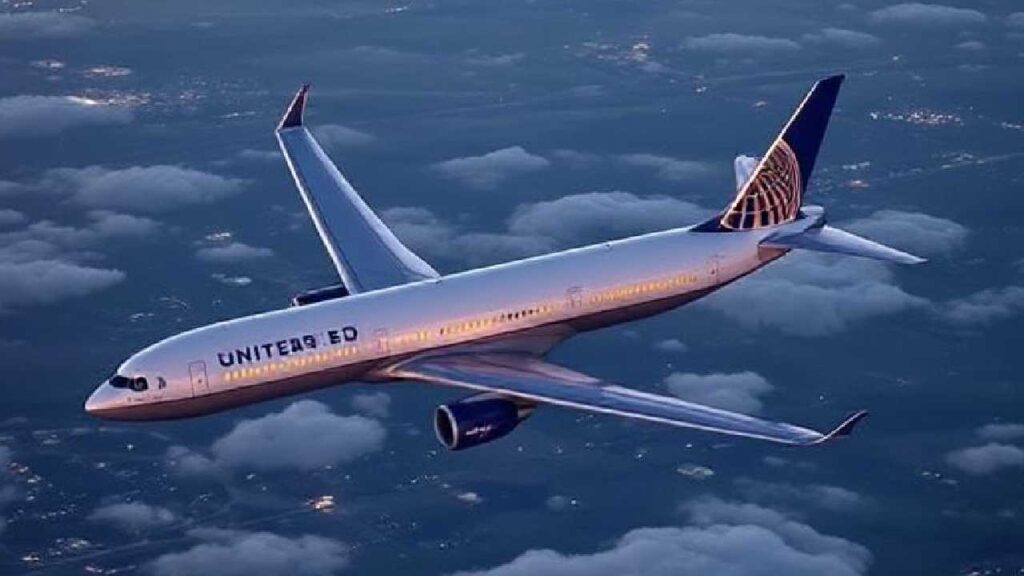
United Airlines Flight UA770 Emergency Diversion – What Really Happened and What We Can Learn From It
When we hear the phrase United Airlines Flight UA770 emergency diversion, it instantly creates anxiety. No one boards a plane expecting to be part of an emergency story. We book flights with plans in mind — meetings, vacations, family events — and when something like this happens, everything suddenly changes.
For travelers, the United Airlines Flight UA770 emergency diversion meant disrupted schedules, missed connections, altered plans, and a wave of uncertainty while sitting thousands of feet in the air. While frustrating, most passengers later agreed on one thing: the way the situation was handled mattered more than the inconvenience itself.
In this article, we walk through what an emergency diversion actually means, what likely happened on UA770, how passengers experienced the event, how airlines manage these situations, and the real lessons we can all take from it.
What Is an Emergency Diversion?
Before diving deeper into UA770, let’s clarify the term emergency diversion.
An emergency diversion happens when a flight is forced to land at an airport that was not part of its original plan. This could be due to:
- A mechanical or technical warning
- A medical emergency involving a passenger or crew member
- Weather or airspace complications
- Cabin-related issues like smoke smell or pressure alerts
In aviation, a diversion is never taken lightly. It involves coordination between pilots, airline operations teams, air traffic control, and the airport on the ground.
When UA770 diverted, it was not about inconvenience — it was about preventing a situation from becoming dangerous.
What Likely Triggered the United Airlines Flight UA770 Emergency Diversion
Airlines rarely share full technical details immediately, but based on standard aviation practice, diversions like UA770 are often triggered by system warnings or performance irregularities.
Modern aircraft are filled with sensors. Sometimes a warning appears even when the plane is still technically flyable. But airlines follow a simple rule: if something doesn’t feel right, land.
The pilots would have:
- Received an alert or noticed an abnormal reading
- Consulted their onboard checklists
- Contacted airline maintenance control
- Coordinated with air traffic control to identify the safest diversion airport
The decision to divert is about margins. Even if there is only a small risk, aviation culture demands action.
Inside the Cabin – What Passengers Experienced
For people onboard UA770, the experience probably unfolded slowly at first.
Most emergency diversions do not begin with panic. The seatbelt sign comes on. The aircraft changes altitude or direction. Then the captain makes an announcement that the plane will be landing at a different airport “out of an abundance of caution.”
Passengers report that in moments like this, emotions range from confusion to fear to frustration.
Common thoughts include:
- What exactly is wrong?
- Will we be safe?
- How long will this delay me?
- Will I miss my connection?
Once the aircraft landed safely, the next phase of stress kicked in — waiting on the tarmac, unsure how long it would take to deplane or whether the plane would be repaired.
The Reality of Being Stranded After a Diversion
The hardest part of the United Airlines Flight UA770 emergency diversion was not the flight itself — it was what came after.
Diversion airports are not always equipped to handle dozens or hundreds of unexpected passengers. When a wide-body or large narrow-body aircraft lands at a smaller airport, chaos can quietly build.
Passengers might face:
- Limited gate availability
- Shortage of customer service staff
- Long lines for rebooking
- Hotel shortages if the diversion happens at night
- Confusing communication
For many on UA770, this likely meant hours of waiting, checking phones for updates, and trying to piece together new travel plans.
Why Airlines Sometimes Can’t “Just Fix the Plane”
People often wonder why airlines can’t simply repair the aircraft and continue.
The truth is aviation maintenance is extremely strict. If a plane diverts due to a system alert, mechanics must:
- Inspect the issue in detail
- Run diagnostics
- Possibly replace parts
- Get clearance from airline engineering and safety departments
This can take hours or even days, especially if spare parts or certified technicians are not available at the diversion airport.
That’s why some UA770 passengers may have ended up on different flights altogether.
How United Handles Rebooking After an Emergency Diversion
After a diversion like UA770, airlines activate recovery operations. This is when the airline attempts to move passengers to their destinations as quickly as possible.
This may include:
- Automatically rebooking people onto later flights
- Offering meal vouchers or hotel stays
- Sending aircraft from other cities to pick passengers up
- Using partner airlines when seats are available
The challenge is scale. One diverted flight can ripple across the entire airline network, causing delays elsewhere.
The Emotional Toll on Travelers
Beyond missed flights and hotel nights, diversions take an emotional toll.
People are not just passengers — they are parents heading home, students returning to school, business travelers with meetings that matter, families going to weddings or funerals.
When United Airlines Flight UA770 diverted, it changed the story of hundreds of lives that day.
Some people were understanding. Others were angry. Both reactions are normal.
How Crew Training Makes the Difference
One of the most important aspects of the UA770 event is what passengers didn’t see.
Behind the scenes, the flight crew was working nonstop:
- Pilots managing systems and communications
- Flight attendants preparing the cabin and calming passengers
- Operations teams tracking alternate airports
- Dispatchers calculating fuel and landing performance
This level of training is why diversions rarely turn into disasters. Even when things go wrong, professionals step in.
What We Can Learn From the United Airlines Flight UA770 Emergency Diversion
Events like this are reminders that air travel is complex. It looks simple from the outside, but it depends on thousands of people doing their jobs perfectly every day.
From UA770, we can take a few real lessons.
Safety always comes first
No one likes delays, but every diverted flight is proof that airlines choose caution over convenience.
Communication matters
Passengers handle stress better when they know what is happening. Clear announcements can change the entire mood of a cabin.
Flexibility saves sanity
Travel is unpredictable. The more flexible we are with our plans, the easier it is to survive days like this.
Airports are ecosystems
One disrupted flight can affect dozens of others. The system is tightly connected.
How Travelers Can Prepare for Unexpected Diversions
While we can’t prevent events like UA770, we can prepare ourselves.
Here are some simple habits that help:
- Always pack essentials in your carry-on: medication, chargers, toiletries
- Keep important contacts and booking numbers saved offline
- Leave buffer time between connecting flights
- Consider travel insurance for complex itineraries
- Stay calm and polite — agents are more likely to help when treated kindly
These small things don’t stop emergencies, but they reduce their impact.
Why Emergency Diversions Should Not Be Feared
The phrase emergency diversion sounds scary, but in aviation, it is actually reassuring.
It means:
- The system detected something early
- The crew took it seriously
- The airline prioritized people over schedules
In other words, it means the safety net worked.
Final Thoughts:
The United Airlines Flight UA770 emergency diversion disrupted plans, delayed dreams, and frustrated travelers. But it also showed the strength of modern aviation.
Hundreds of people were brought safely back to the ground because professionals trusted their training and their instincts.
For those who were onboard, the memory will stick — the announcement, the unexpected landing, the long wait for answers. Yet when we look back, we should remember the most important detail: everyone made it through.
That is not luck. That is the result of a system designed to put safety above everything else.
So next time we hear about a diversion, we won’t just think about delays and inconvenience. We will remember UA770 — and understand that sometimes the longest journeys are the ones that remind us how carefully our skies are watched.